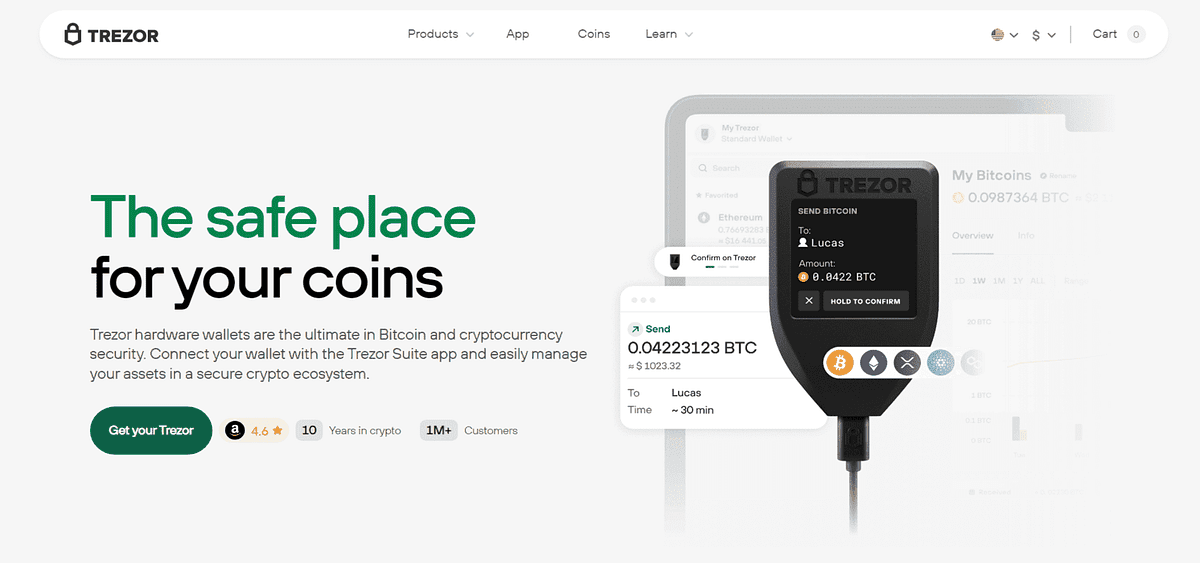
Trezor.io/start: Setting Up Your Trezor Hardware Wallet
Cryptocurrency is gaining widespread adoption, and with that comes the crucial need to secure digital assets. While online wallets and exchanges provide convenience, they are vulnerable to hacking, phishing, and other security breaches. Hardware wallets offer the most reliable protection, and among them, Trezor is one of the most trusted brands. For anyone new to Trezor devices, the official starting point for setup is Trezor.io/start. This article provides a step-by-step guide to using this portal, ensuring that your cryptocurrency is safe and managed properly from the very beginning.
What is Trezor.io/start?
Trezor.io/start is the official onboarding page for Trezor hardware wallets, including the Trezor Model T and the Trezor One. The portal is designed to guide users through every stage of setup: from unboxing the device to installing the Trezor Suite application, initializing the wallet, and securing cryptocurrencies.
By using Trezor.io/start, users are guaranteed access to official instructions and software. This is critical, as using unofficial sources or third-party guides can expose your device and funds to scams or malware. The start page ensures that your wallet is configured correctly, securely, and safely.
Why Use a Trezor Hardware Wallet?
Trezor hardware wallets provide one of the most secure methods for storing cryptocurrency. Unlike software wallets, which are connected to the internet, Trezor devices store private keys offline. This isolation prevents hackers from accessing your sensitive data remotely.
Benefits of using a Trezor hardware wallet include:
Offline Storage of Private Keys: Keys never leave the device, protecting your assets from online threats.
User-Controlled Security: Only the owner has access to the private keys and recovery seed.
Open-Source Firmware: Trezor’s firmware is transparent and reviewed by the community, enhancing trust.
Compatibility with Multiple Cryptocurrencies: Supports Bitcoin, Ethereum, and hundreds of other cryptocurrencies.
Simple Transaction Verification: Transactions must be confirmed directly on the device, preventing unauthorized transfers.
By combining offline security with user-friendly software, Trezor ensures that your digital assets are both safe and accessible.
Preparing to Set Up Your Trezor Wallet
Before starting the setup process, gather the necessary items:
Your Trezor Device: Either a Trezor Model T or Trezor One.
USB Cable: To connect your device to your computer.
Recovery Seed Card: Provided in the Trezor packaging for writing down your recovery phrase.
It is important to verify that the device packaging is intact. Any signs of tampering could indicate a compromised device, which should never be used.
Step 1: Access Trezor.io/start
Begin by opening a web browser on your computer and navigating to Trezor.io/start. This page is the official gateway for downloading the Trezor Suite application, firmware, and instructions.
Trezor.io/start ensures that you are using authentic software, which is critical for avoiding phishing websites or malicious downloads. Always double-check that you are on the official portal before proceeding.
Step 2: Downloading Trezor Suite
Trezor Suite is the desktop and mobile application used to manage your device and cryptocurrencies. It is available for Windows, macOS, Linux, and as a web-based interface.
Key features of Trezor Suite include:
Wallet Management: Add multiple cryptocurrency accounts and monitor balances.
Transaction Processing: Send and receive cryptocurrency securely.
Firmware Updates: Install the latest firmware to keep your device secure.
Portfolio Overview: Track the value of your crypto holdings over time.
Download the application through Trezor.io/start and install it on your preferred device. This ensures you are using an official and secure version of Trezor Suite.
Step 3: Connecting and Initializing Your Trezor Device
Once Trezor Suite is installed, connect your device using the USB cable. When powered on, the device will prompt you to either:
Create a New Wallet: Generates a fresh wallet and recovery seed.
Recover an Existing Wallet: Restores a wallet using a previously saved recovery seed.
For first-time users, creating a new wallet is the recommended approach. During initialization, you will also set a PIN code, which protects your device from unauthorized physical access. Choose a secure PIN that you can remember, as entering the wrong PIN multiple times can temporarily lock the device.
Step 4: Securing Your Recovery Seed
A Trezor device generates a 12-, 18-, or 24-word recovery seed, depending on your device settings. This seed is the most critical component of your wallet because it allows you to recover your funds if the device is lost, stolen, or damaged.
Guidelines for safeguarding your recovery seed:
Write it down: Use the recovery seed card provided by Trezor.
Store it safely: Keep the card in a secure, offline location. Consider a fireproof safe.
Never share it: No one should ever see or have access to your seed words.
Avoid digital storage: Do not photograph, screenshot, or store the seed online, as it can be hacked.
Properly securing your recovery seed is essential to ensuring that your cryptocurrency remains safe under any circumstances.
Step 5: Setting Up a Passphrase (Optional)
Trezor devices offer an optional passphrase feature for added security. This passphrase functions as a 25th word in your recovery seed, creating a hidden wallet that cannot be accessed without it.
Using a passphrase adds an additional layer of protection, but it should be memorized or securely stored. Losing the passphrase can result in permanent loss of access to your hidden wallet.
Step 6: Installing Cryptocurrency Apps
Trezor devices support multiple cryptocurrencies through software applications installed on the device. After initialization, use Trezor Suite to install the apps for the specific cryptocurrencies you want to manage.
For example:
Install the Bitcoin app for Bitcoin transactions
Install the Ethereum app to manage ETH and ERC-20 tokens
Install other apps for altcoins you hold
These apps are necessary for sending, receiving, and monitoring your digital assets securely.
Step 7: Adding Accounts and Managing Funds
After installing the apps, you can add accounts for each cryptocurrency in Trezor Suite. Each account represents a wallet address where funds can be received and sent. Trezor Suite allows you to manage multiple accounts per cryptocurrency, providing flexibility in organizing your portfolio.
Transactions in Trezor Suite require physical confirmation on the device, ensuring that even if your computer is compromised, unauthorized transfers cannot occur. Always verify transaction details on your device before confirming.
Step 8: Sending and Receiving Cryptocurrency
Once accounts are set up, you can begin transacting. For receiving cryptocurrency:
Share your public wallet address with the sender.
Double-check the address to avoid errors or scams.
For sending cryptocurrency:
Enter the recipient’s address in Trezor Suite.
Verify transaction details on the device.
Confirm the transaction using the physical buttons.
This dual-verification process ensures that transactions are secure and intentional.
Common Mistakes to Avoid
Many new users make mistakes during setup that can compromise their security. Avoid the following:
Sharing your recovery seed: No one should ever have access to it.
Downloading Trezor Suite from unofficial sources: Only use the software from Trezor.io/start.
Entering your seed into a computer or phone: This exposes it to malware.
Using a device with damaged packaging: Never use a potentially compromised device.
Following the official instructions carefully ensures the safety of your cryptocurrency.
Advanced Security Tips
After setup, consider these advanced measures to enhance security:
Enable a passphrase: Creates an additional layer of protection.
Keep firmware updated: Protects against vulnerabilities.
Store recovery seed in multiple secure locations: Ensures backup in emergencies.
Avoid public Wi-Fi: Conduct wallet operations only on trusted networks.
These practices will provide peace of mind and protect your assets in the long term.
Final Thoughts
Trezor.io/start provides the safest and most reliable path to setting up a Trezor hardware wallet. From unboxing the device to installing Trezor Suite, securing your recovery seed, and managing cryptocurrencies, this official portal guides users step by step.
By following the instructions carefully and implementing recommended security practices, users can confidently manage their digital assets. Trezor hardware wallets combine offline security, ease of use, and advanced protection features, making them a top choice for cryptocurrency enthusiasts.
Investing time in proper setup and recovery seed management ensures that your cryptocurrency is protected against theft, loss, or unauthorized access. Whether you are new to cryptocurrency or an experienced investor, Trezor.io/start is the essential starting point for secure crypto management.